
Most exterior paint is dry to the touch within 1 to 2 hours. But full curing can take up to 30 days. That gap matters more than most people realize, and it affects how good your finish looks long-term.
This guide walks you through drying and curing times by paint type, what slows things down, and how weather conditions play a role.
Drying Time Vs. Curing Time For Exterior Paint
Paint drying and curing are not the same thing. Drying is when the surface is no longer wet or sticky. In the initial drying stage, paint forms a thin skin and is no longer sticky, allowing light brushing without it coming off. This is one of the most common mistakes homeowners make in a paint job, assuming dry to the touch means the job is done.
Curing is the deeper process. The curing process is where paint reaches maximum hardness and forms a lasting bond with the paint surface. Full curing of latex paint can take up to 30 days. Oil based paints cure faster, usually within 7 to 14 days.
Understanding curing times protects your investment. A fresh coat may feel dry hours after application. But it’s not ready for rain, a second coat, or any real stress yet. Drying and curing times are separate stages. Skipping ahead between them is where a lot of paint failures start.
Factors That Affect the Drying Time of Exterior Painting Projects
So, how long does exterior paint take to dry? In an exterior paint job, drying times are not fixed. Several factors, from the weather to the surface, change how fast paint sets on your home’s exterior. A successful painting project starts with knowing what’s working against you. Here are the most common factors that influence the drying process:
- Temperature: The best range for optimal drying is 50°F to 85°F. Cold weather and low temperatures slow things down. Warmer weather speeds them up.
- Humidity: High humidity, generally above 60 to 70%, slows evaporation in latex paint. Surfaces stay tacky longer than the label says they will.
- Surface type: Porous surfaces like bare wood take longer to properly dry than pre-painted ones. Good surface preparation helps paint set evenly across all exterior surfaces.
- Paint thickness: One thick coat takes far longer to dry than multiple thin coats. Thickness has a direct impact on drying times and when you can safely add the next coat.
- Airflow: Good air movement speeds up drying. Stagnant air causes slow drying. But too much wind makes wet paint dry unevenly and can leave an uneven finish.
Typical Drying Times of Exterior Surfaces
Not all paints dry the same way. Each formula has its own timeline for maximum durability, and real-world environmental conditions always change things. Manufacturer’s instructions give you a baseline, but conditions shift those numbers on any given day. Below are typical timelines by paint type:
- Latex paint: Latex paint is usually dry to the touch in 1 to 2 hours. Most exterior painting projects with this product need 4 to 8 hours for paint to dry before a second coat goes on.
- Oil-based paint: Oil based paints take 6 to 8 hours to surface dry. You need a full 24 hours before adding more paint. That wait gives the coat sufficient drying time and lets it properly adhere.
- Elastomeric paint: These are thicker coatings. Recoat windows are often 24 hours or more depending on how thick the application is.
- Primer coats: Primers on exterior projects dry in 1 to 4 hours. Give them adequate drying time before the topcoat to get solid paint adhesion and proper adhesion to the surface.
- Specialty or high-build coatings: These need longer drying and curing periods. Long exterior paint takes to cure in these products, sometimes a few days, before the surface is ready.
How Weather Conditions Impact Exterior Paint Drying
Weather conditions play a huge role in how exterior paint dries. What’s happening outside affects the final result just as much as the product you choose. Bad conditions don’t just slow drying. They can hurt paint adhesion and finish quality before the paint take to dry is even close to done.
Temperature Extremes Slow Drying and Curing Times
Temperature is a key driver of paint drying speed. Warm weather helps. Cooler temperatures slow things down. Extreme temperatures, whether too hot or too cold, push paint outside the range it needs to cure right. Avoid painting below 50°F or above 90°F on any exterior surfaces.
Humidity And Moisture Impact on Fresh Paint
High humidity slows exterior paint drying. Excess moisture in the air stops fresh paint from releasing water the way it needs to. On surfaces like aluminum siding, this gets worse. You end up with lap marks, streaking, and an uneven look.
Direct Sunlight May Affect Proper Curing
Direct sun can make the top layer dry completely while the paint underneath is still wet. That traps moisture inside the film. Over time, it causes bubbling or cracking on the paint surface. South-facing walls in Idaho summers need extra attention for this reason. It’s something our team plans for on every single job.
Wind And Airflow
Wind helps the drying process by moving air across the surface. But too much wind pulls moisture out too fast. That can prevent paint from forming an even film. The result is usually an inconsistent finish across a large painting project area.
Rain And Dew
Professional painters recommend waiting at least 24 to 48 hours before freshly painted surfaces get hit by rain. Light rain on uncured paint can streak or wash away a fresh coat. Always check the weather forecast before starting. Unexpected weather causes a lot of avoidable paint failures. Adequate protection of new paint starts with picking the right window to work.
Signs That Exterior Paint Has Not Dried Properly
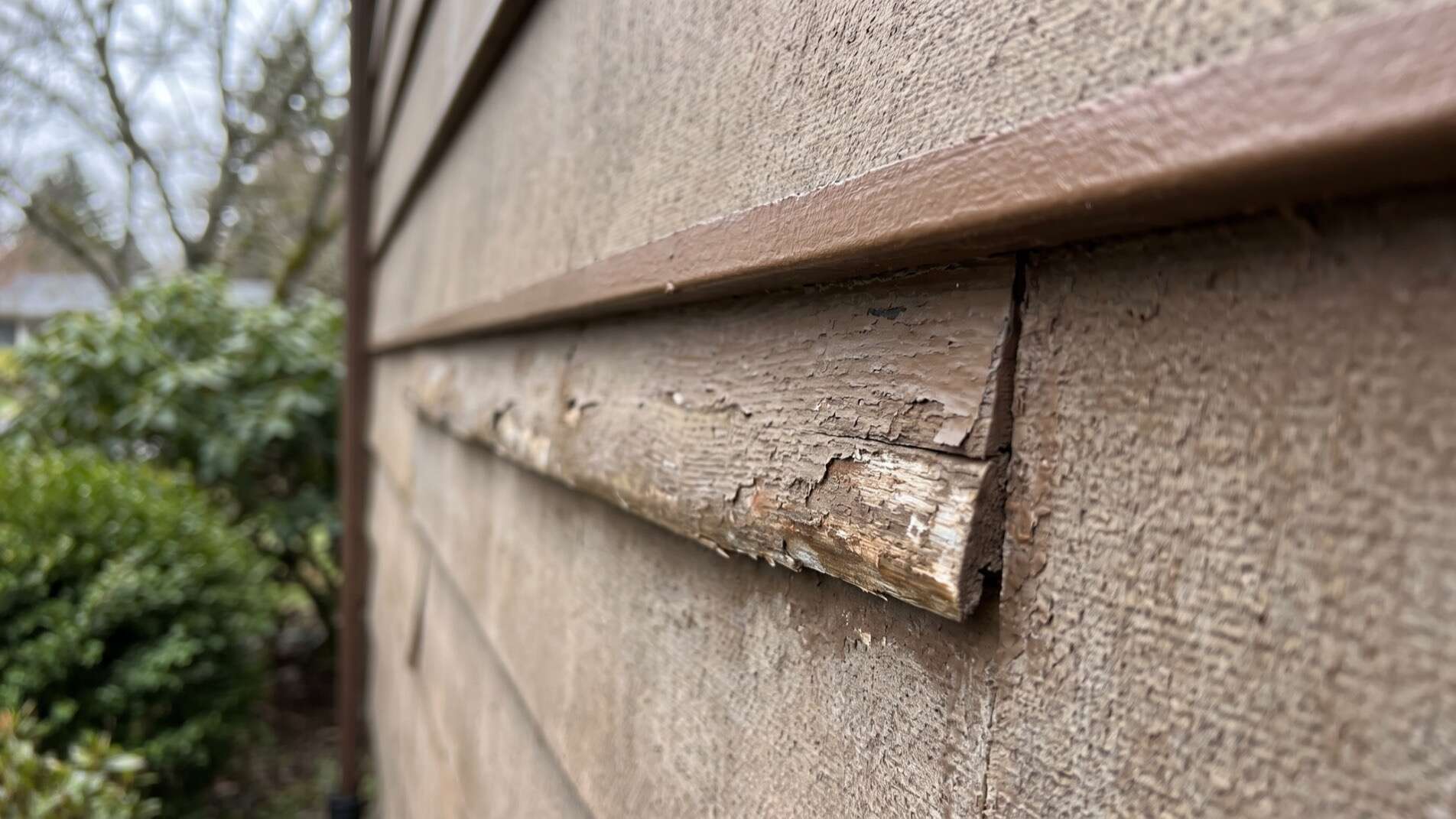
Paint that hasn’t dried right shows it. Tackiness well past the expected dry time, bubbling, wrinkling, or patchy color across exterior surfaces are all warning signs. These usually come from high humidity, a thick coat applied too fast, or working outside the right temperature range.
Rushing the process before a second coat traps moisture inside the film. Adding paint over a surface that hasn’t had sufficient drying time makes things worse. Most failures on exterior surfaces trace back to timing shortcuts, not product quality.
Over time, poor drying leads to peeling, cracking, and adhesion failure across your home’s exterior. What seems like a small timing issue during the painting project can turn into a costly fix after the first hard season.